Categories
Archive

A City Car Driving Guide for Beginners

UPDATED 12/2/2020

Many states recommend auto insurance coverage. Auto insurance coverage involves a contract between the insurer and the insurance company to cover financial loss in theft or an accident. It provides a cover for the damages to property or theft, liability, and the treatment of injuries caused.

Do you need to know about car insurance coverage? There are different insurance plans relating to car insurance coverage. These include comprehensive insurance, liability coverage, uninsured motorist insurance, medical coverage, personal injury, collision insurance, towing, and labor insurance, to mention a few.

https://youtu.be/NQMxmYBSEiU

Drivers get accident waiver protection if they have five years of accident-free driving and no driving laws violations. Drivers that benefit from this waiver guarantee that the cover price will not increase after the first accident.

The need for extended coverage calls for add on insurance covers. Add on insurance offers additional protection to the insured vehicles. Examples of add on insurance include a passenger cover, an engine protection cover, and loss of personal belongings.

How to apply for auto insurance? It involves some steps that are guided by the insurance company. The insured should have a valuation report, the car insurance proposal form, a logbook, and an identification document for a successful application for auto insurance.

Many states recommend auto insurance coverage. Auto insurance coverage involves a contract between the insurer and the insurance company to cover financial loss in theft or an accident. It provides a cover for the damages to property or theft, liability, and the treatment of injuries caused.

city car driving manual transmission

Do you need to know about car insurance coverage? There are different insurance plans relating to car insurance coverage. These include comprehensive insurance, liability coverage, uninsured motorist insurance, medical coverage, personal injury, collision insurance, towing, and labor insurance, to mention a few.

Drivers get accident waiver protection if they have five years of accident-free driving and no driving laws violations. Drivers that benefit from this waiver guarantee that the cover price will not increase after the first accident.

The need for extended coverage calls for add on insurance covers. Add on insurance offers additional protection to the insured vehicles. Examples of add on insurance include a passenger cover, an engine protection cover, and loss of personal belongings.

How to apply for auto insurance? It involves some steps that are guided by the insurance company. The insured should have a valuation report, the car insurance proposal form, a logbook, and an identification document for a successful application for auto insurance.

Driving in a crowded city isn’t everyone’s idea of a good time. For a good reason, city driving means congestion, aggressive drivers, difficult traffic patterns, one-way streets, and many accidents.

Whether you’re moving into a city for the first time or planning a vacation, city driving is intimidating. If you’re a new city resident, you will find yourself dealing with city driving on a daily basis. If you’re a tourist, you might try to avoid city driving. However, many major cities’ entertainment options will likely mean you will have to deal with city driving at some point.

For anyone without experience navigating crowded city streets, it can all get a little overwhelming. That is why I’ve put together this city car driving guide, which will provide you with a guide to picking the right car for city driving as well as a few helpful tips to keep in mind when you’re driving in the city.

Picking the Right Car for the Job

If you’ve lived your whole life outside of a major metropolitan area, chances are you have minimal experience driving in the city. The first thing you will learn as a new city driver is that not all cars are manageable in the city and getting the right car for the job is very important. This city car driving guide should help make picking the right car for your city and your needs easier.

city car driving manual transmission

Find a Car that Fits

If you’ve loved your whole driving life in suburbia or in the country, you might have grown used to the luxury of having extra space in your car. Large SUVs trucks and vans are great when you’re hauling the kid’s hockey equipment around, but when you’re trying to parallel park in gridlock traffic, not so much.

Taking careful consideration of which car you will make your life a lot easier. City streets are small and crowded, and big cars often don’t have the necessary maneuverability for a major city. Your ability to find parking will likely be determined by the size of your car, and the bigger it is, the lower your chances are of finding a spot.

Look at MPGs

City driving is less efficient on your gas tank, and if you’re not careful, that can be detrimental on your wallet. When you’re looking at what car you want for the city, take MPGs into careful consideration. Fortunately, most smaller cars have better gas mileage, so you should already be on the right track

New vs. Used

Next in our city car driving guide comes the issue of new vs. used. New cars are great, they have better features, they’re more comfortable, and they last longer. However, if you’re new to city driving, I would highly recommend looking taking a look at used cars as well.

If you’ve got money to burn, great! Go new. However, if you’re worried about taking on auto loans or whether you can afford a fresh paint job on your dinged-up bumpers or doors, think used. Used cars are cheaper to repair. Considering that you are very likely to have at least a minor collision or scratch occur in the city, that is something to consider.

Manual or Automatic

This tip might have been more relevant for a city car driving guide from 25 years ago. However, there are still some die-hard manual users out there, most of whom don’t live in the city. So, if you’re looking down the barrel of a city driving adventure, its important to remember just how annoying driving stick is in stop-and-go traffic.

Driving manual transmission in the city can be done, and if you really love driving stick, then you’ll probably be fine. But if you have any apprehension about manual in the city, probably stick to automatic.

Now that you’ve got the right car for the job, let’s move onto the next section of our city car driving guide.

Tips for the Drive

Know your Route

Even if you live in a city like New York where navigation is relatively easy, you will save yourself a lot of stress and potentially a lot of time by planning your route before you depart. Using navigational aids like Waze or Google Maps that give you real-time traffic and time estimates will help tremendously.

On top of knowing where you’re going and how bad the traffic might be, you will also want to just get in the habit of leaving extra time for the unknown. Maybe you miss your exit, or there’s commercial paving going on that changes your route last minute, no matter what surprises that cost you extra time. Knowing your route may prove to be one of the best stress savers in this city car driving guide

Leave Ample Space

Tailgating is not only annoying to other drivers; it’s is dangerous and potentially very costly to those who wish to practice it. Did you know that if someone rear-ends you -pushing you into the car in front of you- that you are liable for the damage to the car you hit? Simply put, tailgating, even at a standstill, is a habit that might cost you thousands of dollars. It’s not your fault that someone rear-ended you. However, it is your fault that you were too close to the person in front of you.

Tailgating aside, at the end of the day, if you drive in the city long enough, you’re going to have some sort of collision. You must have the number of a reputable car accidents attorney in case you find yourself in a bind.

Know Your Vehicle

No matter what size car you drive, you must understand how wide and long it is. Old cities like New York and Boston typically have narrow roads that weren’t designed to manage heavy traffic patterns. So, when you’re navigating the narrow roadways of a city, you have to know the size of your car very well to safely maneuver through the roadways.

Look, Look, and Look Again

This might, in fact, be the most important tip in this city car driving guide. If you’re new to city driving, you will quickly realize that cars aren’t the only thing you have to worry about on the road. There are pedestrians and cyclists absolutely everywhere! Not to mention motorcyclists weaving in and out of lanes trying to save that extra five minutes.

The high volume of people in the roadway who aren’t in a car will induce stress if you’re not careful. Take your time, leave pedestrians, and cyclists extra room and look twice before you do anything.

Stay in Your Lane!

Changing lanes every block doesn’t save as much time as you think it will. And it leaves you open to a higher risk of collision. It’s simply just not worth it to save the 20 seconds.

Observe Posted Speed Limits

I will be the first to admit it, sticking to the speed limit isn’t very much fun, but it will save you from a lot of potential accidents in a city setting.

Use All Available Signaling

Using your turn signals seems like a no-brainer; however, it still must be mentioned in the city car driving guide.

If you are ever going to change lanes in a crowded city, you must signal early and make your intentions known to another driver on the road. Not using your turn signal, or signaling late will leave you at a higher risk for collision and open yourself up for stressful situations.

Be Patient

Take your time, and if you aren’t an aggressive driver, stick to the right lane. Staying in the right lane will most likely mean slower travel speeds. However, it may also save you loads of stress.

Take a few deep breaths and realize that you will eventually get to your destination, as long as you stay patient

Avoid Rush Hour

Steering clear of rush hour traffic isn’t always possible. If you work 9-5, you are going to encounter the worst of rush hour. In many cases, it is worth saving yourself the headache and just waiting 45 minutes to start your commute at the end of the day, or leaving half an hour earlier at the beginning of the day.

Know Your Limits

There is a lot to be said for knowing when you’ve had enough. If you are at the end of your patience and simply can’t take any more on-the-road frustration, maybe skip the trip downtown for dinner and opt for something within walking distance. Nothing will put you at a higher risk of a collision than driving angry, frustrated, tired, or distracted.

Covering Your Bases

city car driving manual transmission

There’s a lot you can do to stay safe on city roads while dodging annoying complications; however, some things can’t be avoided. When you find yourself in a situation where you need assistance -which you will- keep in mind this section of our city car driving guide.

Important Numbers to Keep on File

Even if you are the safest and smartest city driver in New York, there will be a time when you pull over a curb or run over a nail and find yourself with a flat. If it’s not a flat tire, maybe your engine overheats on a steamy August day. Whatever it is, you will want to keep a fast and reliable towing service in your contacts just in case. The last thing you want is to be broken down on the side of a major throughway, trying to figure out which towing service will give you a fair price and treat you and your vehicle properly.

Once you’ve broken down, you will most likely want to have the tow truck take your vehicle to a reputable auto repair shop. Having a good shop on file is another thing you’ll want to do ahead of time. It will make your life a lot easier.

Having the number for an auto repair shop is a smart thing to have handy. Should you get in an accident and need engine repair, knowing who to call and where to go will ease the stress of it all. Especially if you’re in a hurry to get where you need to be.

Go for the Best Insurance You Can Afford

No matter what kind of driving you do, you need good car insurance. However, having comprehensive car insurance is even more important for people who do a lot of city driving. If you get in an accident without insurance and need steering repair or transmission repair, you will have to pay out of pocket. Not having proper car insurance will cost you big time in the long run.

Make Your Car Difficult to Steal

On top of collision and damage insurance to help cover those cost of dent repair, you may also want to consider theft coverage. It’s no secret that cities are typically more crime heavy than rural areas, so you will want to make sure that you are prepared for a potential break-in.

Even if your insurance covers you in the event of a theft, you will want to make your car as difficult to steal as possible. This might mean only parking in secure garages, or simply making sure that your vehicle is locked at all times.

Whether you’re a city resident or a tourist taking on city travel for the first time, keeping in mind the tips in this city car driving guide will save you a lot of stress. Knowing the best way to navigate a city takes practice, patience, and a little bit of willpower. As intimidating as city driving might seem, take comfort in knowing that it is possible.

https://www.youtube.com/watch?v=0iKFgEPOk20


When people decide to move to the city for the first time, many of their habits will have to change. For one thing, the people who are looking for car city jobs have to make sure that they have selected the right vehicle for the task. A car that was perfect in the suburbs or in rural areas might not actually be ideal in an urban environment, even if it is otherwise a high-quality vehicle that still works well. Car city Chrysler vehicles are available for the people who have decided that they need to get different vehicles in their new location.andnbsp;

People should obviously still choose a vehicle that they know that they can operate easily. People who have never used vehicles with manual transmission should not immediately switch to city car driving manual transmission vehicles. It takes a lot of skill to use a vehicle like that in almost any environment. Most people shouldn’t try to challenge themselves too much in an area where driving is already challenging. There are quite a lot of car city retailers, however. People should not have a difficult time finding car city used cars that they like and that truly have the cars they need.andnbsp;

Keywords:

2013 manual cars, 2016 mustang manual vs automatic, 4 speed automatic transmission vs 6 speed automatic transmission, 4 speed vs 5 speed manual, 5 speed automated manual gearbox, 5 speed automatic cars, 5 speed m t, 5 speed manual cars for sale near me, 5 speed transmission manual, 5 speed vs 6 speed automatic, 6 speed auto shift manual, 6 speed automatic transmission for sale, 6 speed manual transmission means, 7 speed auto shift manual, acceleration sticks, advantages of automatic transmission, an automatic transmission, best suv for nyc, bmw city car, manual to automatic transmission, standard cars for sale near me.


How to Choose the Best Horseback Riding Vacation


Horse riding vacations have increasingly become popular in recent times. Even when you take into consideration that people in the past used to ride in a horse carriage, it seems that people are going back in time and embracing the culture of horse drawn carriage tours. There are so many reasons why one would be fascinated by a horse carriage tour. For starters, we live in a fast-paced world where everything moves so fast that we hardly get time to enjoy the little that nature has to offer. A private horse tour is therefore what creates memories that can never be forgotten. Be it that you want to celebrate your wedding anniversary or even your engagement party, you can only make such moments memorable by doing something out the ordinary. It is not every day that you come across a private horse tour. Some locations such as busy metro areas cannot even allow the possibility of having horse carriage tours. This is the reason why if you want to have the best experience during a private horse tour, try and schedule in advance a nice vacation destination where carriage rides are offered. Of course the process of choosing a vacation destination for a private horse tour is never going to be easy. The reason for this is because there are so many destinations to choose from that it becomes difficult to establish which among the different destination is perfect for a private horse tour. Below are a number of factors that you should take into consideration before choosing a vacation destination for horse drawn carriage tours.

Weather and Terrain
Of course most carriage tours are conducted outdoors so that the travelers can enjoy the best of nature and the serene view outside. Since the horses move at a slow rate compared to other modes of transport, you can be sure to have the time of your life during your private horse tour. When choosing a vacation destination, make sure that you have some basic understanding of the weather in that destination especially the time of the year that is best for buggy rides. It is not every destination that ca guarantee you that you will have the time of your life. In some instances, you will find the weather too chilly or too wet to even enjoy the ride. You can imagine trying to enjoy a carriage ride under extremely cold temperature. It is hard right? Carriage rides are best for warm temperatures. Not necessarily too hot nor too cold. This means that you should choose a location that does not experience seasonal extreme temperature during different times of the year. If you are fixated about a certain destination, then you can postpone your private horse tour until the weather is favorable for such a tour. Apart from the weather, the terrain too should be favorable for horse rides. There is some terrain that could lead to accidents and incidences and ruin the whole experience.

Ride Leaders and the Horses
Once you bypass the challenge of judging the vacation destination based on environmental factors, your focus should turn to the riders. For the best experience, you want a rider who has experience in carriage tours. This experience is not only on the basis of their skills with the horse but the ability to engage the tourist about different destinations that they visit during the carriage tour. Remember, the idea of a carriage ride is all about the experience that makes the whole lot of difference. The rider must be a good orator with knowledge about the history of your vacation destination. As you pass interesting places, the rider should be in a position to describe what the place is and the rich history about that specific location. Apart from the rider, the horses too should be in a good condition. There are some horses that exhibit erratic behavior even before the trip. Under such circumstances, you have every reason to be worried about your safety during the carriage ride. Choosing a good vacation destination therefore should not be a challenge as long as you know what to look for before choosing your destination.

Related:

2 day horse riding, 3 day horse riding holidays, 3 day horseback adventures, 5 star dude ranch wyoming, 5 star family dude ranch, 50 top ranches, all day horseback riding, all inclusive dude ranch for families, all inclusive dude ranch vacations montana, all inclusive horseback riding vacations, all inclusive luxury dude ranch montana, best dude ranch for kids, best dude ranches in montana and wyoming, best dude ranches near yellowstone, best family dude ranch near yellowstone, best guest ranches, best horse ranches, best ranches in colorado, best ranches to stay in montana, best vacation ranches in montana, best wyoming dude ranches for families.

Wear And Tear On City Vehicles: Common Problems And Solutions

Before you hit the road on your next road trip or vacation, take a few minutes to learn the essentials of vehicle upkeep, even if you rent a vehicle for your trip. Tires top the list of things to check on any vehicle before driving it. Every driver needs to know how often should tire pressure be checked and the recommended tire pressure for long trip safety. 1. Check your tire pressure at least once per month and before embarking on any long driving trip. 2. Set the tire pressure for a long trip to the recommended PSI in the vehicle owner’s manual. Check the tire pressure each time you stop for gas and keep it at the appropriate PSI to reduce vehicle wear and tear and to obtain the best gas mileage. 3. Balance the PSI so all four tires match if you find that one tire pressure higher than others. If only one tire has the appropriate PSI, add air to the other three tires. If one or more tires have a higher PSI than recommended, let a little air out of those tires until they reach the proper PSI. Properly inflated tires are important for safety, fuel efficiency, reduced risk of accidents, and a longer tire lifespan. If you’ve priced new tires lately, making the tread last longer on your vehicle’s current set should motivate you to invest a few minutes each month in better tire care. Now, let’s consider what else to take care of before you back out of your driveway on your next road trip.

In the summertime, when the weather is nice, there’s nothing better than going for a drive.

That’s especially true if you’re on vacation and boy, do Americans love to drive. Driving is by far the top choice for vacation transportation and more than 75% of adults who travel for vacation use cars and trucks to reach their destination.

Some of the most popular destinations for Americans on vacations are big cities. Some tourists like to avoid the hustle and bustle of big cities, it’s hard to deny their allure with plenty of hotel and shopping options and entertainment on every corner. Nowadays, it’s never been easier to plan a vacation ahead of time. City travel guides allow tourists to plan their vacations ahead of time; sometimes literally hour by hour.

There’s no doubt vacationing in a big city can be a blast, but driving in a big city you’re unfamiliar with can be a bit of a challenge. Even if you consider yourself to be a good and safe driver, there are all kinds of obstacles that can pop up with city driving including:

  • Sudden speed limit changes
  • Increased traffic
  • Potholes
  • Varying road conditions I.e. damaged or uneven roads
  • Less driver etiquette i.e. impatient and rude drivers
  • More turning and merging due to changes in traffic flow
  • More pedestrians to watch out for
  • More driving distractions such as traffic signals and billboards

As you can see, there are quite a few hazards to city driving that can prove unnerving for even the most experienced of driving. The key is knowing what to do when driving in the city to avoid accidents and potentially costly traveling car repairs. Here’s how you can make city driving much easier for yourself:

Be Prepared

If you live in a rural area, you’re likely not used to seeing tons of traffic. But since you know you’re likely going to during your big-city vacation, the best thing you can do is prepare yourself.

One way you can prepare yourself is to try and avoid driving in big cities during rush hour. In many cities, that means 7-9 a.m. and 4-6 p.m. Staying off the roads during peak times will keep your stress levels down, reduce your risk of getting in an auto collision, and facing the wrath of resident drivers.

Being prepared also means understanding the behavior of native drivers. Since they live there, they’re used to traffic jams, how to navigate through pedestrians and even when to speed up in certain areas to avoid getting boxed in. Keeping your cool and knowing how to navigate will help you avoid accidents and traveling car repairs that usually accompany them. The native drivers will appreciate it as well.

Be Observant

It’s also important that you’re observant when driving in the city. If you’re feeling anxious, your best bet is to stay in the far right lane. This puts you with other, slower drivers and takes a lot of the pressure off doing things like going 90 in the fast lanes because that’s what everyone else is doing. Instead, you can breathe easier and take things at a more leisurely pace.

You’re still going to have to watch out for cars merging on the interstate though and for pedestrians and cyclists if you’re driving through a busy part of town. The best thing you can do is stay calm and keep your focus at all times.

Know Where Things Are

Being observant in a big city also means getting a feel for where essential things are. As you settle into your accommodations, take note of where fuel services are located as well as coffee shops and maybe even a few restaurants in the area. It never hurts to get your bearings and have a general sense of where you are.

It might not hurt to find one or two automobile repair shops relative to your location. Ideally, you don’t want to have to make any traveling car repairs on vacation, but it’s also good to know where shops are in case something happens. The last thing you need is to have a flat tire in the middle of traffic or have one of your console lights pop on and have no idea where to go to address those issues.

Avoid potholes

One “Welcome to the big city” moment you absolutely don’t want to have is an encounter with a pothole. Nothing can send you to an auto body repair shop for traveling car repairs faster than a pothole that wrecks your tires and causes heavy damage.

Rather than getting surprised by a pothole or an area with uneven asphalt paving, this is another time when it pays to be observant. So how can you avoid hitting a pothole? Follow these tried-and-true tips:

  • Don’t tailgate—if a driver that’s ahead of you hits a pothole, you’re going to need space to move.
  • If you absolutely can’t avoid a pothole, slow down. This can help reduce the wear and tear on your car.
  • If you see a pothole up ahead, don’t speed up when driving over it.
  • On the flip side of that, don’t brake into a pothole. It’s best to let your car take the impact and save your brakes.
  • If you do hit a pothole, pull over in a safe spot and assess your car’s condition, checking for any signs of damage.

If you do wind up hitting a pothole, you may want to make a trip to an auto repair shop. If there is damage to your car, it’s best to get an idea of how bad it might be right then and then rather than having to make costly traveling car repairs a few days later.

Get Your Car Checked Out Before Vacation

Taking long car rides on vacation can be a blast, but if you really think about it, road trips and vacations are more or less like marathons for your vehicle. As such, you’re going to want to get things checked out before you do anywhere.

Again, the last thing you want is to have to make unwanted and costly traveling car repairs in an unfamiliar city. Let’s face it, trying to track down used car motor parts or dealing with heating contractors in a place you don’t know can really put a damper on your vacation plans and a dent in your wallet.

The best thing to do is some basic maintenance, including:

  • Fluid checks
  • Tire checks including rotation and checks for punctures or low PSI
  • General maintenance, which includes checking lightbulbs, air filters, brakes and your heating and AC units. Doing AC maintenance can be crucial, especially if you’re driving during the summer.

Make Sure You Have Insurance

You might be all gassed up and ready to get your vacation started, but before you leave the driveway it’s good to consider where your car insurance stands. Sure, you have it for everyday driving in your area, but the rules can change a bit when you’re driving on vacation

The first thing to consider is whether or not your insurance policy covers any drivers besides you. Remember, car insurance insures the car, not the driver. Fortunately, that also means that most policies will cover a friend or family members who might be splitting some of the drive time with you on vacation. You’ll want to check to find out exactly what the rules of your policy are.

You’ll also want to check to see if services like roadside assistance will be available through your car insurance on your vacation. In the event of an accident, you may need to be towed and it helps to know how far and where a towing company can take your vehicle. Ultimately, you’re looking for your policy to help you get where you need to go if you run into trouble.

Another option you have, especially if you’ve rented a car, is to just add rental coverage. This can pay off in a big way if you should get into an accident. If you’re not at fault, the insurance company will pay for your rental while everything is being investigated. This keeps you on the road rather than being stuck waiting for another person’s company to pay your claim.

Know What To Do In The Event Of An Accident

Nothing can derail a vacation in a big city faster than getting into a car accident. They leave you frustrated, angry, and get your blood pumping. No one wants to be in a car accident, but should you find yourself in one, there are several steps you should take to handle the situation the right way.

The first thing you need to do is stay calm. You’re going to have a million things running through your head when an accident happens. Rather than lashing out at others involved in the accident, take a breath and turn your car off.

If you’re injured in an accident, an ambulance needs to be called. If your injuries are severe, the best move is to stay in your car and let someone attend to you when help arrives.

Along with taking some photos of the incident (if you can), you also need to call the local authorities to file a report. It doesn’t matter if no one is injured and the damage to vehicles is minimal. This gets everything on record in case the other party decides to pursue legal action down the road. Everything you can recall—from the time, the date and the location to the accident to the sequence of events is helpful.

It’s important to note that when an accident happens, you need to be very careful about what you say on the scene. Even if you’re at fault, it’s best to stick with the facts rather than outright admitting guilt. The authorities and insurance companies will hammer out who’s at fault. Both parties should exchange pertinent insurance and contact information however.

Lastly, report the accident to your insurance company.

Taking Legal Action

If you got the worst of it in an accident—you’re not at fault, your car needs traveling car repairs and you’re injured severely injured—it might be prudent to take legal action.

If this is a course you want to take, an experienced accident attorney can consult with you on the incident and determine if you’ve got a solid case. Accident attorneys are well-versed in legal matters, they’ve likely dealt with dozens of cases just like yours and they’ll be able to walk you through all the steps in the process.

Bottom line: an accident attorney is there to help you and help you get a fair settlement. If the injuries you sustained in an accident are life-altering i.e. you may not be able to return to work or you’ve been left physically impaired, your attorney can work through the case and ultimately get you a settlement that will help you deal with the fallout of an accident.

With good weather, plenty of enthusiasm and by keeping your wits about you, a vacation in a big city can be a blast. It gives you a chance to see all manner of exciting sights and offers plenty of entertainment options. As if that wasn’t enough, big city vacations are also pretty affordable and you can book everything from accommodations to rental cars to entertainment right from your phone.

Should you find yourself in need of traveling car repairs or involved in an auto accident, the most important thing is to stay calm. Those things can put a damper on your vacation, but they don’t have to end it. Local auto body shops can work with you to make any traveling car repairs you need to keep going on your vacation or to get back home. Taking the time to do some maintenance and check-ups beforehand can save you from potentially costly traveling car repairs and get you back to enjoying your vacation as you intended.


Take a few minutes to learn the essentials of vehicle upkeep

Properly inflated tires are important for safety

Tips for a Great Helicopter Tour in Oahu

In 2017, Hawaii saw its busiest year at that time, hitting a record of 9.3 million different visitors. The island of Oahu is the third-largest and most-populated island in Hawaii, and it’s home to hundreds of exciting tourist destinations. But with so many people sightseeing in the Hawaiian Islands, how can you enjoy the scenery without having to push your way through suffocating crowds? With Oahu helicopter tours, of course!

Before you plan your trip to Oahu, take time to read through these tips for enjoying a great helicopter Oahu tour.

Plan the Helicopter Oahu Tour First

From the Diamond Head mountain to the Polynesian Cultural Center, there’s a lot to demand your attention on Oahu. But before you explore the rest of the island’s attractions, you should take your helicopter tour first. Flying early in your trip will give you a first-hand sense of the island’s layout, which will make exploring on foot even more exciting. You might discover your favorite O

Search Results Web results Research Tips and Choosing Your Helicopter Tour Company

There are various ways that a helicopter ride can enhance your trip especially if you are visiting exotic destinations such as Hawaii or Alaska. Ideally, a helicopter ride is meant to allow you to access various destinations that are otherwise difficult to access using other means of transportation. In addition, the ride is also meant to give you the best view and create lasting memories for your amazing trip. Unfortunately, there are so many things that could go wrong during your trip is you fail to choose the right hawaii helicopter tours company. Hawaii has many helicopter tour services for sightseeing adventures. The challenge that many travelers face is knowing what to look for in helicopter rides in oahu services. If you don’t undertake due diligence when making your chances, you can easily turn your trip to Hawaii to your worst nightmares. In any trip, it is always a good idea to make advance plan before you even start your trip. Such planning also includes booking your hel

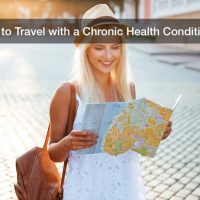
How to Travel with a Chronic Health Condition

Traveling is exciting and stressful, but it can be even harder if you have a chronic health condition. Learning how to travel with a chronic health condition might seem impossible; after all, you need to bring medications, specialized equipment, and maybe even a therapy dog along with you on your travels. But no one should be landlocked if they have the desire to adventure and explore.

Luckily, inclusivity for those with disabilities has come a long way. In fact, Airbnb recently changed their booking options to demand that its users list accessibility features on the premises just last year. And airlines are becoming increasingly open to passengers bringing pets right on the flight with their owners as long as it is a pet needed for medical purposes.

There is any number of chronic issues that might make travel difficult physically. Those with heart issues may be averse to flying while those with arthritis and joint pain might think that they are limited to a short drive. But even those with diabetes, asthma, and depression might all cope with new changes in different ways.

Traveling might not be easy for those coping with a chronic medical condition, but a proper health plan and some essential preparedness planning on your end can make any trip possible. Here are some top tips on how to travel with a chronic health condition.

Choose a modern destination

While it’s possible to visit the forests of South America and the plains of Africa, it might be easiest to choose a destination with modern amenities. Perform some planning before you decide on a final destination to ensure your living quarters will include clean water, handicap-accessible restrooms, and elevators for your comfort. If you really want to stay in an area that doesn’t have access to these amenities, you can always rent your own equipment to ensure your health is maintained throughout your trip. It might take a bit of extra planning on your part, but it can be done.

Modern amenities will also ensure that you have access to essentials, like air conditioning. Some chronic medical conditions make moderating your temperature difficult. Check with your hotel or room provider to ensure heating and cooling is available as needed. Air conditioning is particularly vital since the northern hemisphere is entering summer sooner than later. If you’re planning a summer trip, you want to ensure that your comfort — and your health needs — are protected.

After you choose your ideal destination, it might be worth sitting down with a travel agent or your doctor to go over other health concerns on your trip. In some cases, your travel agent may be able to help you save money on rentals and equipment that would be hard to bring on your trip otherwise. Approach travel agents with an open mind, even if you’ve already planned for a multitude of worst-case scenarios. You never know when your travel agent will recommend a special hotel that utilizes commercial floor coatings to prevent slip and fall accidents. There are plenty of gems across the world that might make your trip easier.

You never know what kind of options are available that can make your dream trip a real possibility. However, looking into the potential health concerns that come with your destination is a top priority. If you’re unable to visit the rainforest because of your health issues, you might be able to go to a closer tropical destination as a form of compromise.

Visit the doctor

Visiting your primary care physician before a big trip is a necessity for those with chronic health issues, but visiting your specialists should also be a key item on your to-do list. For example, some doctors might discourage folks with heart conditions from going on planes as a general rule of thumb but your cardiologist will tell you whether or not this is possible for your health. Learning how to travel with a chronic health condition demands that you care for your health every step of the way.

On the other hand, people with asthma might discover that they shouldn’t visit Japan when the cherry blossoms are in bloom because of the pollen. Luckily, your ear nose and throat doctor might also be able to provide advice to make this trip possible, such as wearing a face mask. Since chronic health issues look different for everyone, it’s important to check with your doctors and specialists before going on a big trip or making any serious lifestyle changes that might damage your health.

Scheduling yet another doctors’ appointment on top of the many you already have can be frustrating, but it’s a necessary step if you want to stay safe on your trip. After all, getting advice on your chronic health issue on the web can only do so much. On the other hand, these experts are adept at telling their patients how to travel with a chronic health condition. They might also be able to fill out prescription medications to help manage your symptoms during the trip, which is essential if you’re worried about running out while you’re traveling. If you’re going any longer than 30 days, visiting your doctor is absolutely essential, otherwise, you will run out. Because some insurance companies only allow you to get a 30-day supply at a time, it’s important that you work out these issues before your trip arrives. There’s nothing worse than a last-minute cancellation over something preventable.

You should also invest in a medical card that explains your chronic health conditions when you travel. Doctors and medical professionals might not know that you’re diabetic if you’re unconscious. You might even be able to get this card — or recommendations for a card — by talking to your doctor. Visiting the doctor might seem like a hassle, but they are available to help you, not make your life more difficult.

Choose a travel method that works for your health issue

It’s already been mentioned that some people with heart conditions shouldn’t fly, but it’s more than just the changes in altitude that might affect your health. Being seated in a small space for a long period of time — like riding on an airplane or taking a train — can result in health flare-ups because of your lack of motion. Even if your train or bus utilizes an elevator akin to residential lifts, if you don’t have the room to move around, your body might become tense and your mental health might suffer as a result.

Folks with arthritis and vein problems also need to move around a lot to prevent their limbs from hurting. If you’re confined to this small space, it’s important to realize that you will need to get up and move around often. It isn’t impossible to travel by plane or train, but regular trips to the bathroom where you can stretch a little bit can make all the difference. Try to get up and move at least once per hour if you can.

Unfortunately, this can be harder if you’re on a road trip. Many people prefer to drive due to the low cost and ability to bring whatever you want with few restrictions. It also enables someone with a disability to bring more materials with them as long as you use a sway control hitch to lock in your trailer. It’s recommended that those with chronic health conditions travel with a partner; having another person nearby is vital to maintaining your health. If you get too tired to drive on your road trip, you can always take turns manning the vehicle. If you have a sudden flare-up, relying on a partner will also ensure that your health needs are met, especially if outside help is required.

Pack with your medical condition — and activities — in mind

Packing is, perhaps, one of the most difficult parts of planning the perfect trip, especially if you’re learning how to travel with a chronic health condition. Those with strict medications should organize their prescription and over-the-counter drugs accordingly. Those with sensory processing disorders should be sure to pack headphones and other forms of entertainment that can help them feel more grounded. While you might not be able to bring a flat-screen tv with you, a pair of earbuds and a tablet is easy to pack in most to-go bags.

You might want to think practically when you’re packing too, whether you’re learning how to travel with a chronic health condition or not. Many people think that their trip will be filled with fancy dinners where pointy shoes and jewelry is needed. But in reality, you will likely be walking around for hours as you explore somewhere new. Be sure to pack comfortable shoes and clothing that work for a variety of situations. You can also dress up basic pieces of clothing with the right accessories and turn a bad hair day from drab to fab with just a few hair extensions. Find customizable pieces that are easy to wear. That way, you can be prepared for just about anything.

You should also pack your bags with certain activities in mind. For example, talking to a boat dealer might mean that you’re going to take on the ocean. Without a swimsuit, you may have to buy a new one at your destination. While this isn’t bad for some people, it can be an unwanted sensory overload for others. Being open to new experiences on your trip can make for a fun experience, but it’s essential that you have a loose itinerary planned for big events like this one.

Finally, you should be sure to leave a little room in your bag for fun souvenirs. This might mean that you plan to bring an empty bag entirely. After all, most people are able to get a little money back through customs when you buy new items in a new country. While this isn’t possible in the United States, most other countries still use pos paper roll receipts to track your purchases. Keep these receipts in a safe place — usually along with your new purchases — to ensure that you can claim these when you come back home.

How to travel with a chronic health condition

Traveling is hard enough without having a health issue get in the way. Hopefully, these above tips have helped you learn how to travel with a chronic health condition, whether you’re suffering from sensory processing issues, mental health concerns, or demanding physical ailments. Do your research, rely on friends and doctors, and be sure to perform some planning before you race outside.


Related: best travel blog themes wordpress free.

Touring Alaska by Air or By Dogsled

Around 98% of surveyed American workers agree that taking a vacation is very important to them, since a vacation is an excellent time for taking a break from the business of modern life. A tourist can relax and recharge their minds, and they tend to travel more than 50 miles from their home to take a trip and see exotic new things. Where should they do? The sunny beaches of Florida, California, and Hawaii all beckon, but outdoors lovers might be more tempted to visit Alaska. This northern state is more than just ice; it has diverse landscapes and natural bounty, and it enjoys a robust tourism industry. This state is thinly populated and is a great place for hunting and fishing, hiking, kayaking, and much more. That natural scenery looks its best in spring and summer, and creative tourists may host a special anniversary event in Alaska’s refreshing outdoors. A special anniversary event may include a 10-year wedding anniversary, for example, or creative brides and grooms can buy a glacie

What You Need To Know About Visiting Alaska

Taking a vacation is a very important thing for just about every single person out there. After all, going on vacation provides you with a much-needed break, an interruption to your daily life and routine, something that gives you the permission to kick back and relax. Taking this time to relax and rejuvenate has even been found to be very important to one’s health, something that has been backed up by a number of studies done on the subject. One of these studies even found that in men who were already at risk for heart disease, neglecting to take a vacation for even just five years in a row could increase their overall risk for heart attack by as much as a full 30%. Just taking a single week off on a yearly basis was found to lower this risk.

And it’s not just one’s health that improves when a vacation is taken. In addition to health, overall work performance is also quite likely to improve. Again, this is something that has been backed up by research into the subject. This data

A Guide To Planning A Vacation

Planning the logistics of a vacation can be the most stressful and the most exciting part of traveling. If you are not careful, you can easily become overwhelmed, disheartened, or even give up on the entire process. This guide will break down the vacation planning process into a step by step outline. This will help you tackle the process in a practical manner, keep you organized, and help eliminate any confusion.

Deciding Where To Go

When deciding when and where you want to go on vacation, you are often constrained by your individual circumstances such as budget, if you are traveling alone or with family or friends, your own work schedule or the schedule of whom you are traveling with, and whether you will be driving or if you have to fly.

It is often the case that you know you want to go on a vacation, but you do not know where. This is the most common starting point for travelers. With the numerous social media sites available, like Pinterest and Reddit, browsing for travel destinations has never been easier or more fun. But beware, this step can become a bit addictive. Below are a few tips to help you decide on a vacation destination:

  • Search the web and social media sites for pictures of destinations you find to be stunning and then find more information and research that location.
  • Make a wish list of destinations you want to visit.
  • Search online marketplaces that offer lodging or homestays, like Airbnb. Once you find a place to stay, research the area it is located within. You can use this method to plan trips to places you have never even heard of before.
  • Make use of online flight booking services like Google Flights, which will tell you the cost of flying from your home to anywhere in the world on the dates you specify. These services facilitate the purchase of airline tickets through third party suppliers, which helps you find the best deal possible and makes this step much less work for you.

Once this step is completed you can move onto the more enjoyable steps of planning a vacation.

Deciding What To Do and Where To Go

Once you have decided where you will be going for vacation and have booked your trip, you can begin the second step of the process: deciding what you will be doing and where you will be going once you arrive at your chosen destination. Frequent travelers will tell you this is the most enjoyable part of the vacation planning process. They will also tell you that city travel guides are an incredibly helpful resource for planning ahead of time. This will help rid your trip of chaos and reduce vacation-related stress.

Begin this step by compiling a list of attractions you are interested in that your destination offers. This can be tours, museums, restaurants, or neighborhoods to explore. Again, depending on your personal travel style. You can search the web for what to do in a specific destination, but if you prefer first hand suggestions from actual travelers as opposed to general travel advice, you should stick to travel publications and blogs:

  • A site like Pinterest is basically a visual search engine that is full of travel articles and tips. Search a specific location and you will find various helpful articles for planning your trip.
  • A site like WikiVoyage, which is basically a Wikipedia for traveling, is compiled entirely by actual travelers and is incredibly helpful when planning a trip. On this site, you can find tips on what to do, where to visit, and how to get around within your destination.
  • Search for your chosen destination on sites like Trip Advisor or Reddit and see what other travelers are saying. Opt for sites that provide first hand experiences and specific suggestions from actual travelers to help you judge your potential vacation destination.

Determining Your Style of Travel

When determining what to do and where to go at your chosen destination, it is important to understand that every individual has their own unique style of traveling, which varies based on their personality. Some individuals are spontaneous and do not like to be constrained by plans. Other individuals like to plan and follow a set schedule or a day to day itinerary. Some people enjoy exploring the city on foot, while others just want to lay on a beach and relax.

Everyone has their own idea of an ideal vacation, and there is no definitive right or wrong way to travel, there are just different preferences and styles. For first time travelers, it is strongly recommended to plan your travels in advance. The “plan as you go” style is known to induce anxiety and panic in inexperienced travelers, which will likely make for an unenjoyable traveling experience. First time travelers should conduct extensive research before arriving to minimize the time spent in a hotel or lodge frantically making last minute plans.

Planning in advance does not mean creating a schedule or itinerary that details your every minute by minute move, which can actually be just as stressful as not planning at all. You have to find the balance between planning and going with the flow that works best for you. This process of planning your vacation can ease your anxiety about a trip, while also enhancing your anticipation.

When planning, you do not want your days to feel overly stuffed with events and activities, but time spent planning once you have already arrived is time you could rather be spending enjoying your vacation. However, if you have set plans for every single day of your trip, you could be facing disappointment when you inevitably stray from your plans, which is expected and perfectly okay.

When planning your vacation, it is important to leave room for flexibility. Below is a recommended list of some things you should and should not plan:

  • Do not make an itinerary or set plans for every single day. As mentioned, you will be disappointed when your plans fall apart due to events in and out of your control, like the weather.
  • Instead, plan out a few options for each day. This way, each day you can choose various options depending on what you want to do that day. If you are feeling tired, you can choose an activity that requires the least amount of walking or choose the museum if it is raining. You can also leave one day completely unplanned to catch up on anything you may have missed.
  • Do not plan every meal. When traveling, you may experience an increase in appetite due to increased activity, and you will have to abandon your meal plans very quickly. Some days you may sleep in later and only have coffee, brunch, and dinner, and other days you may require three meals.
  • Instead, make a small list of restaurants you absolutely want to visit, but try not to plan when you will go. Leaving your meals completely unplanned is absolutely fine, too. You can always ask locals or experienced tourists for recommendations.
  • Do not plan every outfit. Depending on facts such as your mood and the weather, it is not likely you will stick to your planned outfits.
  • Instead, pack a variety of clothes that can be easily mixed and matched.

Once you have eliminated these factors you should not plan for, you can spend more time and energy on what you need to plan, such as accommodations.

Planning Your Vacation Accommodation

After you have decided where you want to visit and have a general idea of what you will be doing there, you can begin booking your accommodation. Begin by searching for accommodation near the sights and activities you will be focusing on. Sleeping arrangements are something you usually want to book in advance. Arriving at your chosen location and then booking sleeping arrangements is not recommended, as it could potentially be stressful. Planning in advance is all about minimizing these types of situations.

When planning for accommodations, use resources such as:

  • For traveling abroad, use HostelWorld to find budget friendly hotels, hostels, and bed and breakfasts. Browse the reviews to make sure the accommodation is up to your specific standards. It is recommended to book a hotel as close to public transit or center city as possible.
  • TripAdvisor is the preferred site for many frequent travelers who want to read reviews or see photos of a hotel or hostel before booking. With these types of sites, you can find information about the various features a hotel offers, such as free WiFi, a concierge service, a hot tub, or a swimming pool and spa areas.
  • To find the best deal possible, use one of the many tools available on the web that compares hotel deals, such as Trivago’s. Just enter information such as check in time, check out time, and room size, and comparing hotel deals has never been easier.
  • Another hotel search engine for finding the best deals and savings is HotelsCombined. This tool compiles deals from all of the hotel deals sites in one centralized location, including, but not limited to Hotels.com, Booking.com, and Expedia.
  • If you are traveling to a remote location where there are few options for hostels or hostels, use sites like AirBnB or Glamping Hub. Get information on what features are offered by a specific vacation rental you are considering, such as jet ski or boat rental, tennis courts, basketball courts, or pickle ball courts with pickleball gear included.
  • If you are looking for campsites, use ReserveAmerica or Recreation.gov.

When finding the best deals for a certain location, research and consider the destination’s peak and off-peak seasons. These are the times of the year when tourists are or are not visiting a specific destination. These seasons are often determined by weather and holidays. For instance, Mount Rushmore and the Grand Canyon are popular destinations during the summer. Therefore, accommodations and flights will be the most expensive during this time.

On the other hand, many tourists do not visit ski lodges during the summer and therefore, you will find cheaper and more affordable accommodation and flights during this time. A downside is that there is usually a good reason the season is considered off-peak, such as disastrous weather conditions. There is, however, another season known as shoulder season. This is the time between the peak and off-peak seasons and the perfect time to experience the best of both worlds.

Packing For Your Vacation

You completed nearly all the necessary steps and at last, you have to decide what to pack. Especially for first time travelers, you can easily pack too much and be stuck with too much stuff or not pack enough and have to buy things you could have easily packed. Below are a few tips on deciding what and what not to pack for your trip:

  • Clothes – When deciding what clothes to pack, consider your chosen destination’s weather and what activities you will be doing there. If you are planning an outdoor adventure, consider packing your most comfortable gym clothes.
  • Toiletries – You do not need to pack everything in your bathroom. Just pack the basics, such as soap, shampoo, conditioner, makeup, and moisturizer. Small bottles are the best option here as you will be shocked how much lighter your bag will be.
  • Emergency items – These emergency items will not take up much space: Tylenol, a first aid kit, and a sewing kit.
  • If you want to pack drinks and snacks for waiting at the airport or a long bus ride, a soft sided cooler is your best option.
  • Other than following these traveling tips, make sure you have fulfilled all the necessary requirements such as obtaining the appropriate traveling documentation and the required travel vaccinations.

Enjoying Your Vacation

Once all your preparation is complete, the final step is enjoying your trip. If you planned carefully, heading to the airport and boarding your plane should be a time of jubilee, not stress. In fact, a well-planned vacation can provide natural stress relief. If you are a first time traveler feeling nervous, that is perfectly normal. Trust the plans you have made and follow your instincts, and you will have a great trip.

7 Important Things You Should Know Before You Book a Hawaii Helicopter Tour

If you are planning to visit Hawaii, one thing you should add to your itinerary is Hawaii helicopter tours. First, the view of Hawaii from above is breathtaking. The island of Oahu in Hawaii is 597 square miles which large enough for an enjoyable tour. Another thing is that a significant part of the islands can only be viewed from the air. For instance, you can only access about 10% of Kauai by car. If you need to tour the rest of the area, you’ll have to do it by a helicopter, boat, or foot.

If you need a Hawaii photo, there is no better way than doing it from helicopter tours. Unlike drones pictures, you will also get an experience of a lifetime. Below are some great tips you should know before taking a Hawaii helicopter tour.

1. Get a Company That Prioritizes on your Safety

The first thing you should do is find a company that makes you feel safe and comfortable. Start by researching tour companies online. Crashes do happen. A suitable company will answer